Honolii Beach Hilo is a powerful and raw stretch of coastline on Hawaii Island. It is known for strong waves, deep surf culture, and dramatic ocean views along the Pacific Ocean. This is not a casual beach. It is a place to observe, respect, and understand the ocean.
Whether you are planning a quick scenic stop or you want to watch local surfers ride the big swells, here’s a quick overview of who will enjoy this spot the most:
Best For
- Experienced surfers
- Visitors interested in local surf culture
- Travelers who enjoy watching waves and ocean energy
- Short scenic stops near Hilo
Who Should Skip This Beach
- Families with young children
- Visitors looking for swimming or snorkeling
- Casual beach play or wading
- Travelers wanting calm, sandy shorelines
This beach is not suitable for swimming, casual beach play, or kids. Even on calm-looking days, the ocean here is unpredictable.
Why Honoliʻi Beach Park Is One of the Best Surf Spots on the Big Island
It is widely known as one of the most consistent surf spots near Hilo on the Big Island. Its unique coastal geography allows waves to form year-round, making it a favorite location for local surfers and visiting surfers looking for reliable conditions.
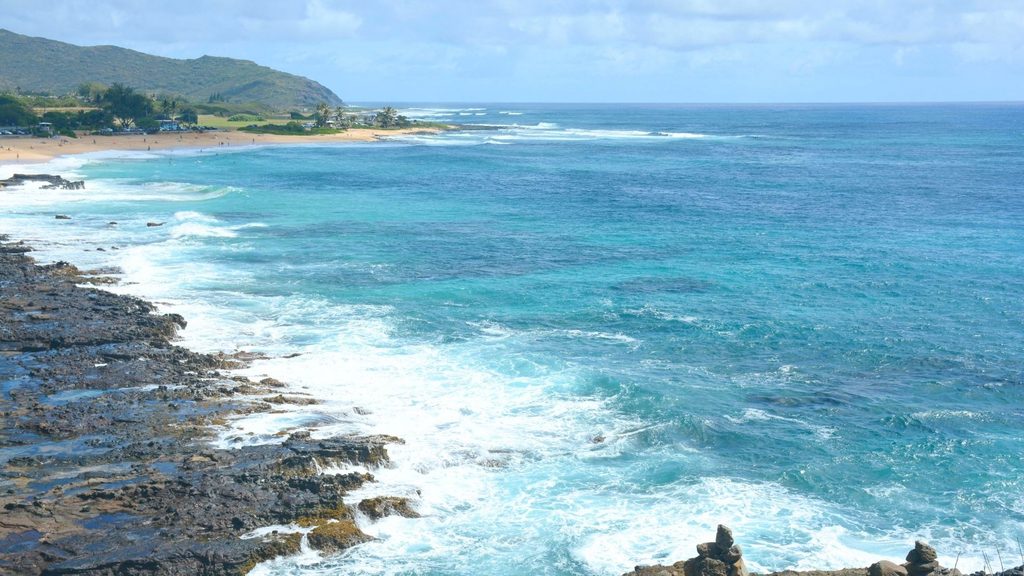
But remember, Honoliʻi is a rocky beach built for surfing, not swimming. The shoreline is lined with dark stones, coral fragments, driftwood, and sea glass. Waves crash loudly and often break close to shore.
When you arrive, you’ll hear the deep sound of the surf before you see it. The ocean feels close, fast-moving, and powerful. There is little space between the shore and breaking waves, which makes entering the water dangerous for non-surfers.
Watching surfers from shore is safe and common. Entering the water is not. The force of the waves and the rocky bottom make this beach unsafe for swimming, even for confident swimmers.
Richardson Ocean Park and Carlsmith Beach Park offer calmer conditions. Honoliʻi Beach Park is different. It is a beach meant to be respected, not tested.
Where is Honoliʻi Beach Park Located?
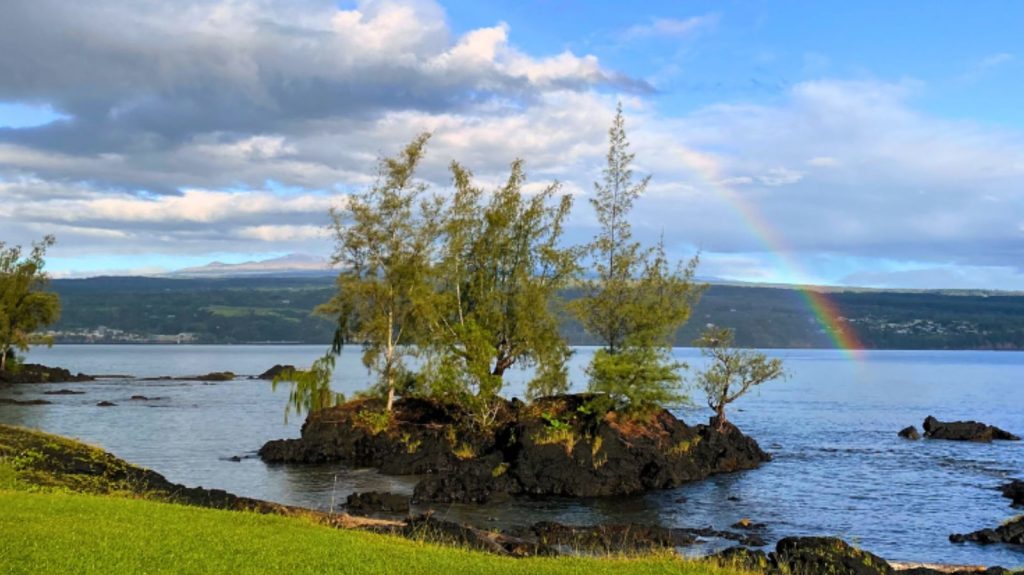
Honoliʻi Beach Park is found north of downtown Hilo. It’s on the Big Island’s eastern coast.
It’s one of the most accessible surf beaches since it’s only a short drive from Hilo. It can get crowded and narrow, but the trip is scenic.
There is no construction in progress or resorts around the area, which preserves its local feel. Honoliʻi feels like a part of daily life rather than a tourist attraction.
Why Honoliʻi Beach is Budget-Friendly
Honoliʻi Beach Park is budget-friendly. There are no entrance fees. There are also no parking fees. Budget-conscious travelers will find this white sand beach easy to visit. You do not need to worry about extra costs. Parking and entry are both free.
The main thing to plan for is food. There are no food vendors on the beach. Visitors should bring snacks and water or plan to eat elsewhere in Hilo.
Cost-Saving Benefits
- Free park entry
- Free parking
- Free restrooms
- Free outdoor showers
- No activity or tour fees
- Easy visit without spending money
Estimated Costs
- Car rental: approximately $70–$120 per day
- Fuel: minimal if coming from Hilo
- Parking: free, but limited on high-surf days
- Public transportation: limited; a car is the most practical option
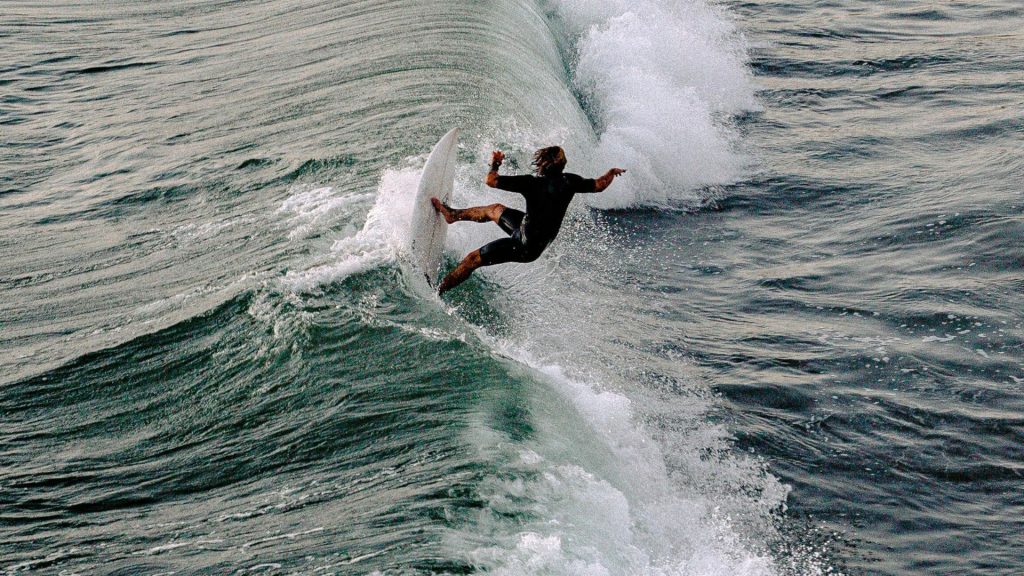
Swimming and Ocean Conditions by Season
This beach is not considered safe for regular swimming.
Summer
- Waves are smaller but still powerful
- Experienced swimmers may enter cautiously
- Better suited for bodyboarding and intermediate surfers
Winter
- Large swells and strong currents
- Dangerous shore break
- Swimming is not recommended
- Best enjoyed from the shore
Sometimes, river levels rise suddenly, forming a pond where freshwater meets saltwater. It’s close to the mouth of the Honoli’i Stream. So always check the weather and ocean reports before approaching the water.
Morning vs Afternoon: When Is the Best Time to Go?
Morning is the best time to visit Honoliʻi Beach Park.
- Cooler temperatures
- Cleaner surf conditions
- Fewer people
- Easier parking
Afternoons are warmer and windier. People who love taking photos or sitting down to watch surfers will prefer this time.
Locals usually arrive early and leave as conditions become windier later in the day.
Common First-Time Visitor Mistakes
Many visitors underestimate Honoliʻi Beach because it looks accessible and calm from a distance.
Common mistakes include:
- Assuming it is a swimming beach
- Standing too close to the waterline
- Turning your back on the ocean
- Underestimating wave power
- Treating it like a family beach
What Not to Do at Honoliʻi Beach
- Do not enter the water unless you are an experienced surfer
- Do not let children play near the shoreline
- Do not cross wet rocks or coral
- Do not interfere with surfers or surf equipment
- Do not ignore posted warnings
Even small waves can knock people off their feet here.
Things to Do at Honoliʻi Beach Park
Honoliʻi Beach Park is best enjoyed as a short visit focused on observation and atmosphere.
Popular Activities
- Surfing (depends on season and skill level)
- Watching surfers from shore
- Photography
- Picnicking in shaded areas
This is not a swimming beach. But it is an excellent place to just pause and experience the power of the ocean.
How Long to Spend Here
Most visitors spend about 20 to 45 minutes at Honoliʻi Beach Park. It works best as just a short scenic stop rather than a long stay, especially for travelers who are not surfing.
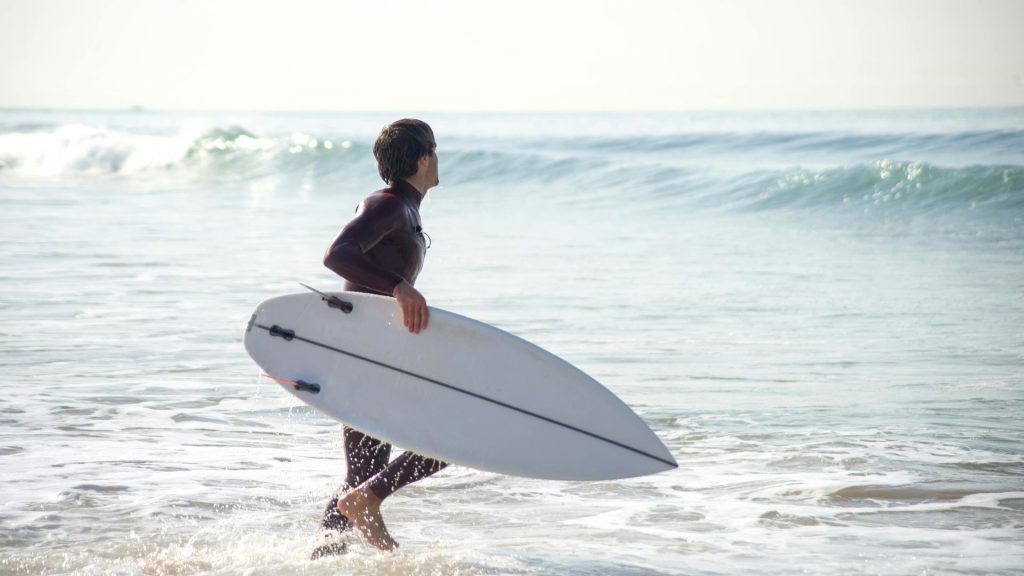
Local Surf Culture and Respect
The local surf community deeply values Honoliʻi. For many local surfers, this is where they learned, trained, and surf regularly.
It’s not a show beach, but a working surf spot tied to local routine, history, and community.
Visitors should:
- Stay clear of surf launch areas
- Avoid standing directly in front of breaking waves
- Never walk through the surf lineup
- Give surfers space and priority
Respecting the beach means respecting the people who use it daily.
How Honoliʻi Compares to Nearby Beaches
Choose Honoliʻi Beach Park if:
- You want to watch serious surfers
- You enjoy dramatic ocean scenery
- You prefer short, meaningful stops
Choose Richardson Ocean Park if:
- You want calmer water
- You are traveling with kids
- You want snorkeling opportunities
Choose Carlsmith Beach Park if:
- You want easy swimming access
- You prefer a relaxed family beach
- You want grassy areas and tide pools
Honoliʻi is for observation. Richardson and Carlsmith are for water entry.
Suggested Pairings Nearby
Honoliʻi works well before or after:
- Rainbow Falls
- Akaka Falls State Park
- Downtown Hilo food stops
- Coconut Island (for calm walking and picnics)
It fits easily into a half-day east-side itinerary.
Marine Life You May See
Wildlife sightings are possible but not guaranteed.
You may occasionally see:
- Hawaiian green sea turtles
- Coastal seabirds
- Dolphins offshore
Always observe wildlife from a safe distance.
Steps to Visiting Honoliʻi on a Smart Budget
Step 1: Check surf and weather conditions
Step 2: Bring food and water
Step 3: Arrive early for parking
Step 4: Stay on shore if conditions look rough
What You Can Find at the Beach
All of these are free to use:
- Restrooms
- Outdoor showers
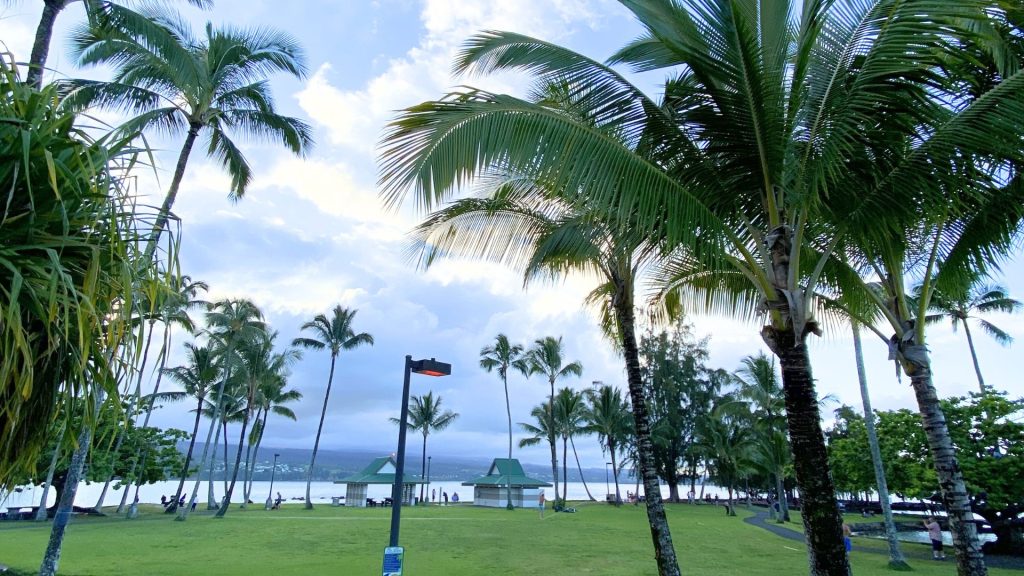
- Benches and shaded areas
- Picnic tables
Lifeguard Notice
Sometimes scheduled during peak hours. But service is not guaranteed daily.
Park Hours
- Open daily from early morning to evening
- Overnight camping is not allowed
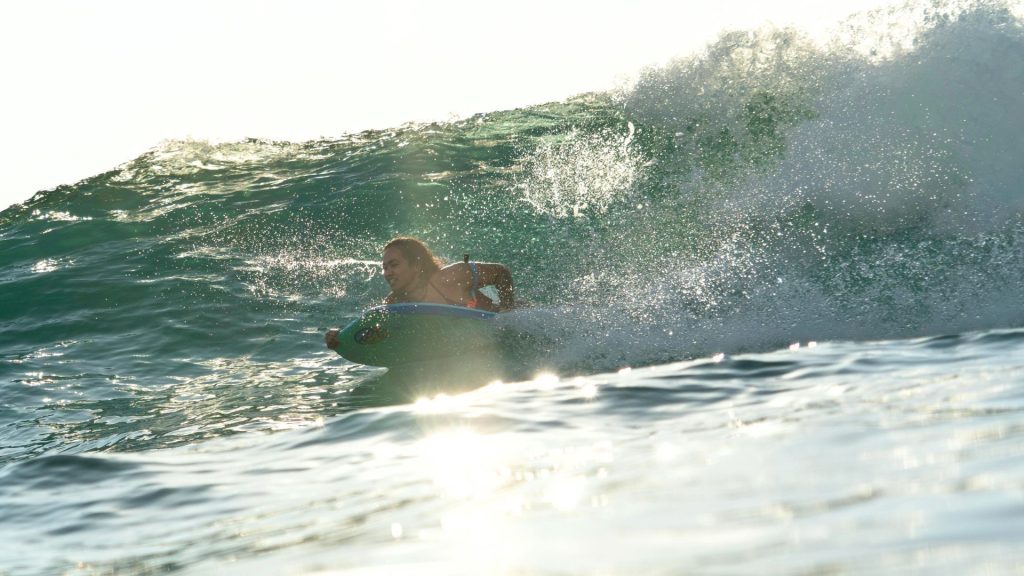
Our Experience Visiting Honoliʻi Beach Park
During our visit to Honoliʻi Beach Park, we were not there to surf. Instead, we pulled over along the cliffside and spent some time watching the surfers below. The beach was packed with locals who clearly knew the waves well.
We were driving a rental Jeep at the time, so it was obvious we were visitors even though we blended in at first glance. From the overlook, we could hear the powerful waves crashing against the rocky shoreline. The surfers out in the distance looked small against the strong ocean swells, but you could see the excitement each time someone caught a wave.
Something about the scene felt slightly eerie. The ocean felt powerful and unpredictable, yet the surfers moved through the water with confidence and ease. It quickly became clear that this is not a beach for casual swimming. Honoliʻi is a place where the ocean commands respect. So experienced surfers come to enjoy the challenge of the waves.
Is Honoliʻi Beach Park Worth Visiting?
Any visitor needs to first understand what Honoliʻi Beach Park is and is not.
This beach is not made for swimming, snorkeling, or lounging in the water. It is about witnessing the strength of the Pacific Ocean, watching skilled surfers, and observing a place that plays an important role in Hilo’s local surf culture.
For travelers who enjoy dramatic coastal scenery, meaningful short stops, and authentic local spaces, Honoliʻi offers a powerful experience. It works especially well as a pause between waterfalls, town stops, or other east-side attractions.
If you are traveling with kids, want calm water, or hope to spend a long time swimming, nearby beaches like Richardson Ocean Park or Carlsmith Beach Park will be a better choice.
Honoliʻi Beach Park rewards visitors who come with respect, awareness, and realistic expectations. When approached that way, it becomes one of the most memorable coastal stops near Hilo.