Here’s all you have to know about Big Island, Hawaii!
Why Big Island is Worth Checking Out
No Hawaiian island offers more variety except Big Island. A single journey can lead you through mountains, volcanoes, beaches, and rainforests. There’s so much chance for adventure.
Some travelers nowadays prefer to just relax in a space. And that’s what Big Island offers its visitors. There aren’t many people here, either. So curiosity and patience are both fed here.
First-time visitors get to explore natural beauty and experience local life. It’s very exciting and meaningful.
Geography & Nature Facts
1. It’s bigger than all other Hawaiian Islands combined.
The Big Island is so massive, you could fit all the other Hawaiian islands inside it, and still have room left over.
2. The Big Island is still growing.
The Big Island is still growing today. Lava from active volcanoes flows into the ocean, cools, and turns into brand new land, expanding the island in real time.
3. It’s home to two of the world’s most active volcanoes.
Two of the most active volcanoes on the planet, Kīlauea Volcano and Mauna Loa, are here. Tourists can see the volcanic landscapes inside Hawaii Volcanoes National Park. But it depends on safety conditions. Features like the Great Crack show how powerful volcanic forces can be.
4. Mauna Kea is the tallest mountain on Earth.
Measure Mauna Kea beach from its base on the ocean floor! Much of the mountain is underwater, which surprises many visitors. From the surface, it doesn’t look taller than Mount Everest.
5. You can see snow in Hawaii!
During winter, snow falls on Mauna Kea. This makes the Big Island the only place in Hawaii where snow is possible. What’s more is that it’s common to see snow-capped peaks and warm beaches on the same day!
6. One island contains many climate zones.
Compared to other islands in Hawaii, the Big Island has more climate zones. You can travel from the rainforest to the desert in a few hours. Packing layers helps travelers stay comfortable.
Beaches, Coastlines & Ocean Facts
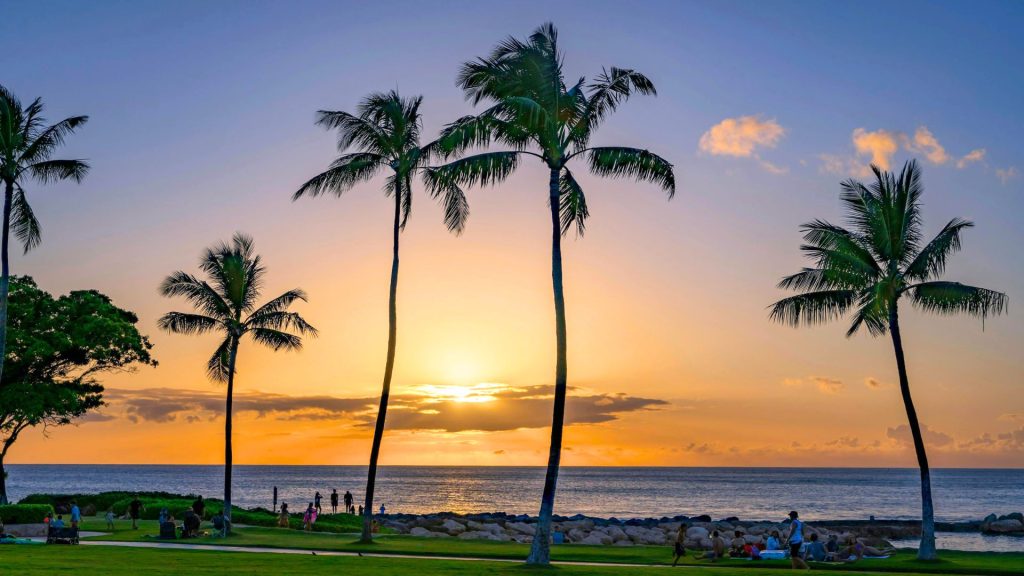
7. The Big Island has the longest coastline in Hawaii.
The Big Island has about 266 miles of coastline. Areas like the Kohala Coast are known for sunny beaches and resorts. Other areas feel wild and untouched.
8. Black sand beaches are common.
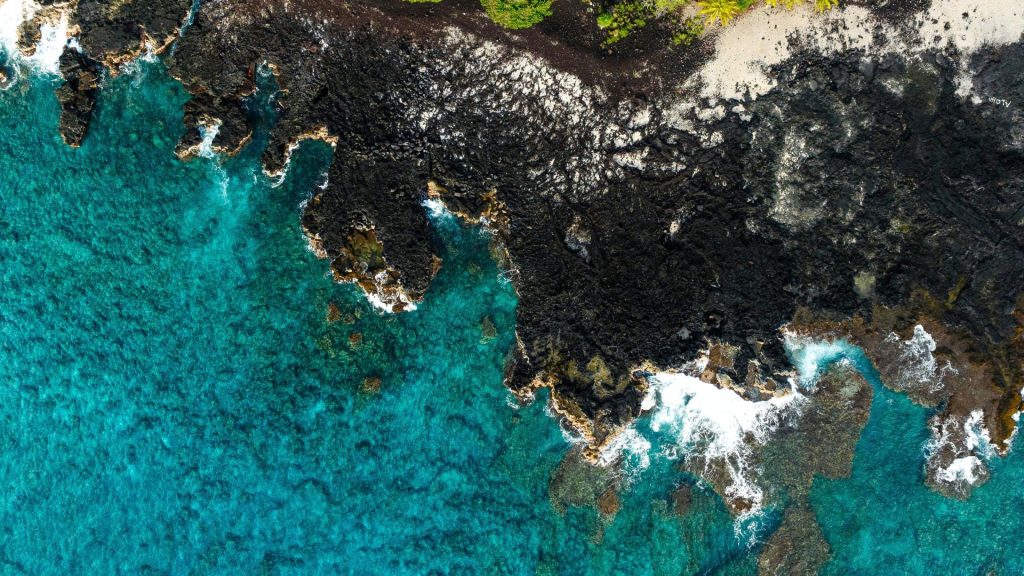
A black sand beach forms from cooled volcanic rock. Punaluʻu Beach is a famous example and a popular spot for sea turtles. These beaches feel very different from Waikiki Beach.
9. Green sand beaches are extremely rare.
Papakōlea Beach sits near South Point, also called Ka Lae, the southernmost point in the United States. Its green color comes from olivine crystals. Reaching it requires a hike or a permitted tour.
10. White sand beaches exist, too.
Despite its volcanic nature, the Big Island also has white sand beaches. Hapuna Beach is one of the most popular. It’s ideal for swimming and relaxing.
11. Sea turtles are often seen along the coast.
Hawaiian green sea turtles, known as honu, regularly rest on Big Island beaches. They are protected by law. Visitors should always keep a respectful distance.
12. Winter is whale season.
Humpback whales migrate to Big Island waters each winter. They usually arrive between December and April. Many travelers spot whales from shore without a boat.
Culture & History Facts About Big Island Hawaii
13. The island shares its name with the state.
“Hawaiʻi” refers to both the island and the state. This often confuses first-time visitors. Locals use “Big Island” to keep things clear.
14. Hawaiian culture is strong and visible.
Hawaiian traditions remain part of daily life on the Big Island. Respect for the land, or ʻāina, is deeply important. Visitors are encouraged to learn and observe local customs.
15. Sacred sites are found across the island.
The Big Island has many ancient temples called heiau. These sites were important to ancient Native Hawaiian communities. Travelers should visit respectfully.
16. Captain James Cook first arrived here.
Captain Cook landed on the Big Island in 1778. His arrival came long after King Kamehameha began shaping Hawaiian history. Several historic sites reflect this era.
17. Hula is celebrated on a global stage.
The Merrie Monarch Festival in Hilo honors traditional hula. It attracts performers and visitors from around the world. The festival keeps Hawaiian storytelling alive.
18. Oral history preserves Hawaiian knowledge.
Much of Hawaiian history was passed down through chants and stories. These traditions continue today. Guides often share legends during tours.
Science, Space & Unique Experiences
19. The Big Island is one of the best stargazing spots on Earth.
Mauna Kea’s high elevation and clear skies make it ideal for stargazing. Many visitors join guided tours. Hawaii follows Hawaii Standard Time, which helps reduce light pollution impacts.
20. World-class observatories are located here.
Several observatories sit near the summit of Mauna Kea. Scientists study distant galaxies from this location. Access is regulated for safety and cultural reasons.
21. Low light pollution protects the night sky.
Parts of the island have strict lighting rules. These rules help preserve dark skies. Visitors come here for better views of stars and planets. Night picnics can be possible on the white sand beach.
22. Lava tubes run beneath the island.
Lava tubes formed when flowing lava cooled on its outer surface. Some tubes are open to visitors. Walking through them feels like stepping into another world.
Travel, Food & Lifestyle Facts for Visitors
23. Kona coffee grows on volcanic slopes.
Kona coffee is grown on the slopes of Mauna Loa and Hualālai. Volcanic soil and climate create its unique flavor. Many farms offer tastings and tours.
24. Farming plays a major role in local life.
The Big Island produces cattle, macadamia nuts, and tropical fruit. Agriculture supports many local families. Visiting farms helps support the community.
25. Hilo is one of the rainiest cities in the US.
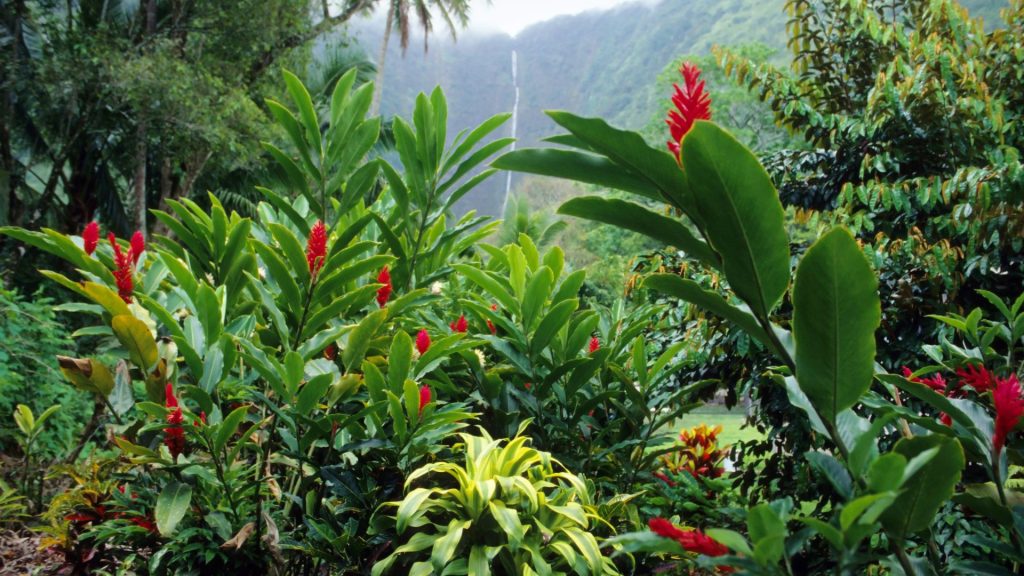
Hilo receives over 130 inches of rain each year. This rainfall keeps the area green and full of waterfalls. It also gives Hilo a relaxed, tropical feel.
26. Renting a car makes travel easier.
Public transportation on the Big Island remains limited. Renting a car saves time and adds flexibility. It’s the best way to explore multiple regions.
27. Outdoor adventures are everywhere.
Hiking, snorkeling, surfing, and kayaking are easy to find. The island’s size means fewer crowded trails. Adventure travelers feel right at home.
28. Movies and TV shows love the island.
The Big Island has appeared in films like Jurassic Park and shows like Lost. Its landscapes can look prehistoric or otherworldly. This makes it popular with filmmakers.
29. The Ironman World Championship takes place here.
Kailua-Kona hosts the Ironman triathlon every year. Athletes train here because of the challenging terrain. The event brings global attention to the island.
30. Life on the Big Island feels slower.
Many visitors notice a calmer pace of life. People take time to connect with nature and each other. This slower rhythm helps travelers relax and reset.
Why These Facts About Hawaii’s Big Island Matter
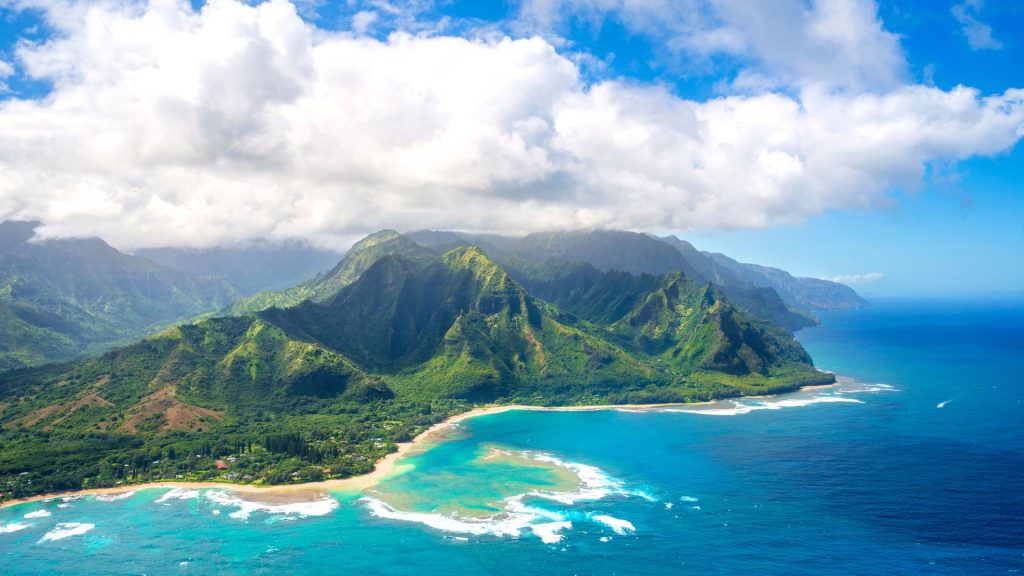
Understanding these facts helps travelers plan better trips in Hawaii. You’ll pack smarter, choose the right activities, and respect local culture. Knowing what makes the island unique leads to a deeper experience.
First-Time Travel Tips for Visiting the Big Island
If this is your first visit, a few simple tips can make your trip smoother and more enjoyable.
- Plan for driving time – The island is large, and distances take longer than expected. Group activities by region to save time.
- Choose one or two areas to stay – Staying on the Kona side or in Hilo works well for first-time travelers. Switching hotels too often can feel rushed.
- Respect the land and culture – Many places are sacred. Follow signs, stay on trails, and never take lava rocks or sand.
- Check the weather by region – The east side is wetter, while the west side is sunnier. This helps with daily planning.
- Book popular activities early – Stargazing tours, volcano visits, and farm tours can sell out, especially in peak seasons.
Ready to Visit the Big Island?
These facts only tell parts of the whole story. The real magic comes from all these wonderful natural sights in person.
So if you want a destination that feels adventurous and meaningful, the Big Island is worth the journey!